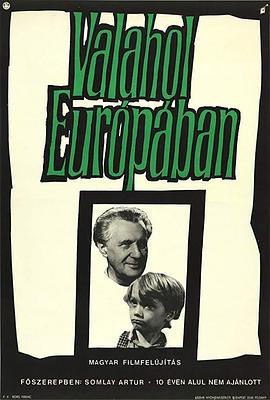
备注:已完结
类型:剧情片
主演:Artúr Somlay Miklós Gábor Zsuzsa Bá
语言:其它
年代:未知
简介: Somewhere in the remote region, the war ends. In the midst of ruined cities and houses in the streets, in rural hamlets, everywhere where people still live, are children who have lost their homes and parents. Abandoned, hungry, and in rags, defenseless and humiliated, they wander through the world. Hunger drives them. Little streams of orphans merge into a river which rushes forward and submerges everything in its path. The children do not know any feeling they know only the world of their enemies. They fight, steal, struggle for a mouthful of food, and violence is merely a means to get it. A gang led by Cahoun finds a refuge in an abandoned castle and encounters an old composer who has voluntarily retired into solitude from a world of hatred, treason, and crime. How can they find a common ground, how can they become mutual friends? The castle becomes their hiding place but possibly it will also be their first home which they may organize and must defend. But even for this, the price will be very high. To this simple story, the journalist, writer, poet, scriptwriter, movie director, and film theoretician Béla Balázs applied many years of experience. He and the director Géza Radványi created a work which opened a new postwar chapter in Hungarian film. Surprisingly, this film has not lost any of its impact over the years, especially on a profound philosophical level. That is to say, it is not merely a movie about war it is not important in what location and in what period of time it takes place. It is a story outside of time about the joyless fate of children who pay dearly for the cruel war games of adults. At the time it was premiered, the movie was enthusiastically received by the critics. The main roles were taken by streetwise boys of a children's group who created their roles improvisationally in close contact with a few professional actors, and in the children's acting their own fresh experience of war's turmoil appears to be reflected. At the same time, their performance fits admirably into the mosaic of a very complex movie language. Balázs's influence revealed itself, above all, in the introductory sequences: an air raid on an amusement park, seen in a montage of dramatic situations evoking the last spasms of war, where, undoubtedly, we discern the influence of classical Soviet cinematography. Shooting, the boy's escape, the locomotive's wheels, the shadows of soldiers with submachine guns, the sound of a whistle—the images are linked together in abrupt sequences in which varying shots and expressive sharp sounds are emphasized. A perfectly planned screenplay avoided all elements of sentimentality, time-worn stereotypes of wronged children, romanticism and cheap simplification. The authors succeeded in bridging the perilous dramatic abyss of the metamorphosis of a children's community. Their telling of the story (the scene of pillaging, the assault on the castle, etc) independently introduced some neorealist elements which, at that time, were being propagated in Italy by De Sica, Rossellini, and other film artists. The rebukes of contemporary critics, who called attention to "formalism for its own sake" have been forgotten. The masterly art of cameraman Barnabás Hegyi gives vitality to the poetic images. His angle shots of the children, his composition of scenes in the castle interior, are a living document of the times, and underline the atmosphere and the characters of the protagonists. The success of the picture was also enhanced by the musical art of composer Dénes Buday who, in tense situations, inserted the theme of the Marseilaise into the movie's structure, as a motive of community unification, as an expression of friendship and the possibility of understanding. Valahol Europaban is the first significant postwar Hungarian film. It originated in a relaxed atmosphere, replete with joy and euphoria, and it includes these elements in order to demonstrate the strength of humanism, tolerance, and friendship. It represents a general condemnation of war anywhere in the world, in any form.
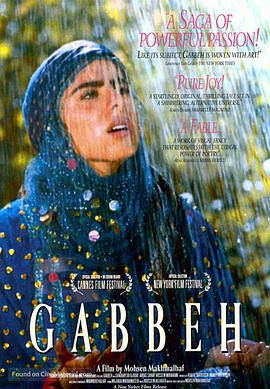
备注:已完结
类型:爱情片
主演:Abbas Sayah Shaghayeh Djodat Hossei
导演:莫森·玛克玛尔巴夫
语言:其它
年代:未知
简介: 波斯绣毯世界闻名,一对老夫妇就拥有这么一张绣毯,上面绣着人物图案。当他们清洗绣毯时,从绣毯中奇异地走出一个姑娘,并讲述了一个忧伤的故事:姑娘与一个骑手两情相悦,他们的爱情却遭到了家族的反对,姑娘父亲甚至设置了种种障碍。在重重压力下,他们依然苦苦坚持,姑娘家庭属于游牧民族,经常迁徙,痴情的骑手便紧紧尾随在后面,陪伴着姑娘直到定居地点。安顿下来后,姑娘决定与骑手私奔,就在他们策马狂奔出走的时候,发现他们踪迹的人群紧紧追赶,并用枪结束了这对有情人的生命。原来这就是绣毯上的故事。
备注:已完结
类型:剧情片
主演:季纳伊达·沙尔科 Oleg Vladimirsky Tatyana M
导演:琪拉·穆拉托娃
语言:其它
年代:未知
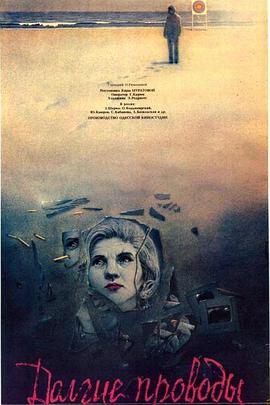
简介:It is a great film by a great director.Kira Muratova has never been given her due in the Soviet and post-Soviet Russia.In the Long Good Bye she depicts a seemingly banal story of a jealous and possessive mother (brilliantly acted by Zinaida Sharko) and her poor aloof and lonely son (the only cinematic role by the talented O. Vladimirsky). The story - which is nothing extraordinary in itself - grows into the wonderful and frightening analysis of alienation between genders and generations on the background of the even more frighteningly bleak and dehumanized Soviet reality.Kira Muratova shows the tiny details of everyday Soviet life,and, again , banal as they are ,they are a hair-raising horror.The dialogue is deliberately laconic and void of any sense, showing the ever-growing people's inability to communicate and understand each other.The sound track ( by another under-estimated talent, Oleg Karavaichuk)adds to the atmosphere of hopeless and meaningless existence.Of course,Sasha (the name of the protagonist),will leave his despotic ( but loving!) mother sooner or later, but where for (c)
备注:已完结
类型:爱情片
主演:希拉里·斯万克 科洛·塞维尼 彼得·萨斯加德 布兰登·萨克斯顿 艾丽西
导演:金伯莉·皮尔斯
语言:英语
年代:未知
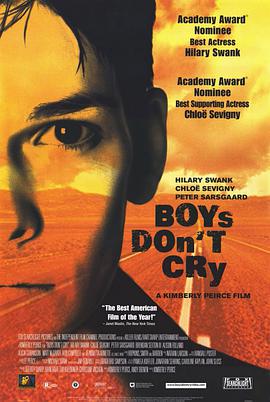
简介: 布兰顿(希拉里•斯万克 Hilary Swank 饰)来到法奥斯城,成为了当地的大众情人,很受女性欢迎。然而他却有着不为人知的隐秘——俊男本是女儿身。“他”的真名叫蒂娜,一直对自己是个女性缺失认同。他喜欢成为男性,并决定来到这个陌生的城市开始新角色和新生活。 布兰顿和当地女孩拉娜(科洛•塞维尼 Chloë Sevigny 饰)恋爱了,还和拉娜的前男友成为好友——尽管他们粗野、酗酒,行为暴戾,但被接纳的布兰顿却得到了认同感。生活朝着布兰顿想要的方向发展,一次交通违章却暴露了所有的秘密。布兰顿被识破女儿身,尽管拉娜原谅了她,悲剧却发生了。拉娜的前男友对布兰顿怒不可遏,将她摧毁在一场残忍的暴力事件中。

备注:已完结
类型:喜剧片
语言:法语
年代:未知
简介: 乔尔(托马斯·南吉乔尔 Thomas N'Gijol 饰)和瑞吉斯(法布里斯·厄部埃 Fabrice Eboué 饰)是同父异母的兄弟。乔尔是一个地地道道的黑人,他痛恨自己的血统和外貌,将自己人生的全部失败都归结于种族歧视之中。瑞吉斯虽然没有乔尔这么“黑”,但他同样不愿意承认自己拥有一半的黑人血统,兄弟两人之间的关系也十分的糟糕。 某日,传来了两人父亲去世的消息,父亲留下了一笔遗产,为了争夺这份遗产,兄弟两人之间发生了激烈的冲突,并且惹出了非常多的麻烦。这一切都被一位神秘的老妇人看在眼底,为了给兄弟两人一个教训,老妇人将他们传送回了奴隶年代,两兄弟成为了奴隶市场里挂牌出售的“商品”。
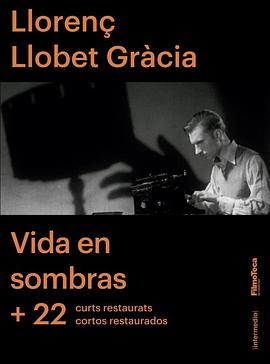
备注:已完结
类型:剧情片
主演:Fernando Fernán Gómez María Dolores
导演:洛伦斯·约贝特·格拉西亚
语言:其它
年代:未知
简介: A great spanish cult movie!! This is one of the most astonishing films ever made. It has some scenes that it should be in the history of cinema. Like the filming by Fernando Fernan Gomez of the militias using a big roll of paper to win a positions. Or the begging of the film based on real events. The birth of the director inside the carp where the first cinematographer was showing "the train arriving to the station". Being shoot in really simple way it's amazing the proper use of the audiovisual language. The late Guillermo Cabrera Infante showed this film in a Canadian film festival in Spanish without subtitles when the projection finish the audience didn't move and they ask for seen the film again. The effect of this film in the audience is unbelievable. None a single person that has seen this rare Spanish movie could forget it. Except the main actor Fernando Fernan Gomez who never remember work on it.